


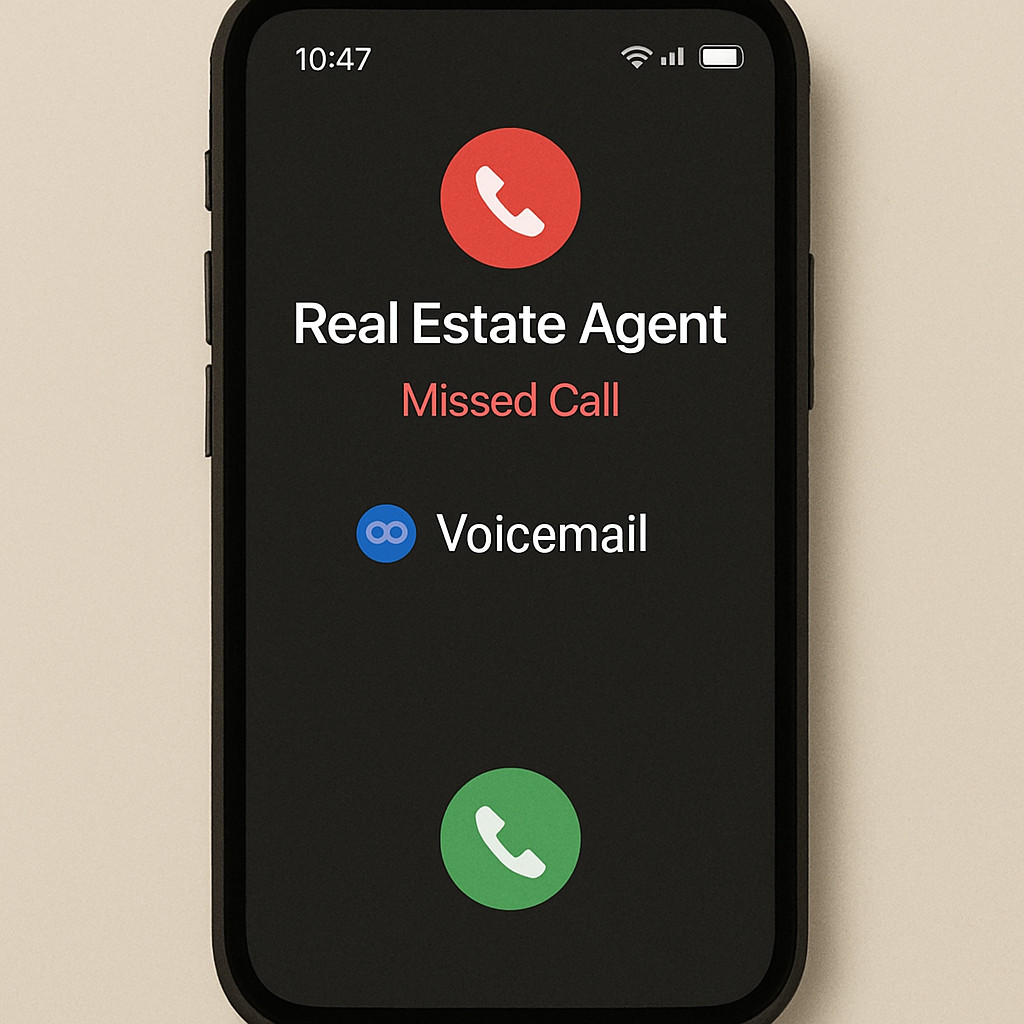
Ever called a real estate agent about a hot new listing, only to be sent straight to voicemail? It’s a frustrating race against time. In a competitive market, you know the property you just fell in love with could have an offer on it by the time you get a call back. This simple breakdown in real estate communication is one of the most common and anxious moments for potential buyers and renters. Choose the BEST AI VOICE AGENTS FOR REAL ESTATE.
But what if every call was answered instantly, day or night? That’s exactly what a real estate AI voice agent is designed to do. At its core, an AI voice agent is a computer program that uses artificial intelligence to have a natural, helpful conversation over the phone. Think of it as a super-powered receptionist who never sleeps, never gets overwhelmed, and can talk to a hundred people at once.
This technology solves the chronic problem of missed calls in real estate. For callers, it means no more waiting, wondering, or playing phone tag for basic information. For the agent, it’s a revolutionary tool for realtor productivity. Instead of losing potential clients while they’re in a meeting or showing another property, they can trust that every single inquiry is handled professionally and efficiently.
An AI voice assistant for real estate agents handles the most common and urgent tasks, freeing up the human agent to focus on more complex needs. For a caller, this means it can:
- Answer your call instantly, 24/7, so you never go to voicemail.
- Answer common questions like, “Is the property on Elm Street still available?” or “Does the condo allow pets?”
- Schedule a property viewing by checking the agent’s calendar and finding a time that works for you.
- Send a perfect summary of your call to the human agent so they have all the details.
This isn’t a passive voicemail or a rigid phone menu. A true AI voice agent is conversational. It understands your questions no matter how you phrase them, allowing you to simply ask for what you need. The result is a system that solves the biggest communication bottlenecks in real estate: you get answers right away, and the agent never misses a potential buyer or renter.
From ‘Hello’ to ‘Showing Booked’: A Real-Life AI Conversation Script
The real magic of these AI voice agents is in how natural and helpful the conversations feel. Instead of a frustrating phone menu, you get a smooth, productive dialogue that gets you what you need in moments. Here is a typical scenario.
Imagine a potential buyer named Sarah is driving home from work and sees a “For Sale” sign in a neighborhood she loves. She pulls over and calls the number.
AI Assistant: “Hi, you’ve reached the office of Premier Homes. I’m their AI assistant. How can I help you today?”
Sarah: “Hi there. I’m calling about the house on Maple Avenue. Is it still for sale?”
AI Assistant: “Great question. Yes, the property at 123 Maple Avenue is still on the market. It’s a 3-bedroom, 2-bathroom home. Are you interested in learning more, or would you like to schedule a time to see it?”
Sarah: “Oh, that’s great! Yes, I’d love to see it if possible.”
AI Assistant: “Wonderful. Before I book that, may I quickly ask, are you already working with a real estate agent for your search?”
Sarah: “No, I’m just getting started on my own.”
AI Assistant: “Perfect, thank you for sharing that. And just so we’re prepared, have you already been pre-approved for a mortgage?”
Sarah: “Not yet, but I’m planning to talk to my bank this week.”
AI Assistant: “Excellent. The human agent, David, has availability to show you the home tomorrow at 4 PM or this Saturday at 11 AM. Do either of those times work for you?”
Sarah: “Saturday at 11 AM would be perfect.”
AI Assistant: “Great. I’ve officially booked you for a showing at 123 Maple Avenue this Saturday at 11 AM. You’ll receive a confirmation text message in just a moment. Is there anything else I can help with?”
Sarah: “No, that’s everything. Thank you!”
In just under two minutes, Sarah went from a curious driver to having a confirmed appointment without ever being put on hold. The AI handled the natural language processing for property inquiries with ease, understanding her question about “the house on Maple Avenue” without needing a specific address.
More importantly, the AI performed a crucial task called automated lead qualification for real estate. By asking if Sarah had an agent or mortgage pre-approval, the AI gathered key information. This efficiency equips the agent with the context needed to provide truly personal service when they meet. For Sarah, the experience was fast, easy, and satisfying.
Why You’ll Never Be Put on Hold Again: 3 Ways AI Helps Home Buyers
That seamless conversation wasn’t just helpful for the agent; it was a huge win for Sarah, the home buyer. If you’ve ever felt the frustration of calling about a home only to hit a full voicemail box, you know that waiting can mean missing out. AI voice agents are designed to eliminate that anxiety.
While the technology is complex behind the scenes, the benefits for home buyers and renters are refreshingly simple. Here are the three biggest advantages.
- 24/7 Instant Answers The real estate market doesn’t operate on a 9-to-5 schedule, and neither does your curiosity. Whether you spot a “For Sale” sign during a late-night drive or browse listings early on a Sunday morning, you can get an immediate response. Instead of leaving a message and hoping for a callback, you can engage with a helpful assistant who is always available.
- Key Information On-Demand Tired of playing phone tag just to ask a simple question? An AI assistant has all the basic property details programmed in. You can ask directly about the price, the number of bedrooms, the square footage, or if there’s a garage. For renters, this is perfect for quick questions like, “Are pets allowed?” You get the facts you need in seconds, not hours.
- A Fairer, More Level Playing Field. In a competitive housing market, speed is everything. Sometimes, the person who gets to see a home first is simply the one who was lucky enough to reach the agent before anyone else. AI levels the playing field. Because everyone who calls gets the same instant access to information and appointment scheduling, the process becomes more about your interest and less about your timing.
Ultimately, these benefits mean less frustration for you and more direct access to the homes you’re interested in. For real estate agents, this technology is a powerful tool that helps them manage their time and focus on what they do best: helping people find their perfect home.
More Showings, Less Phone Tag: How AI Gives Realtors Their Time Back
While buyers get the peace of mind of an instant response, the real estate agent on the other end of the line gets something even more valuable: their time back. Imagine an agent has just listed a desirable new home. Their phone starts ringing constantly, but they’re in a meeting with another client. Every call they miss is a potential buyer who might move on.
This is where AI voice agents act as the ultimate assistant. They don’t just answer the phone; they serve as a smart, efficient filter. The AI can handle the flood of initial inquiries, answering the same questions over and over—”How many bedrooms?” “What’s the price?”—so the agent doesn’t have to. It can even ask a few qualifying questions to separate curious callers from serious buyers.
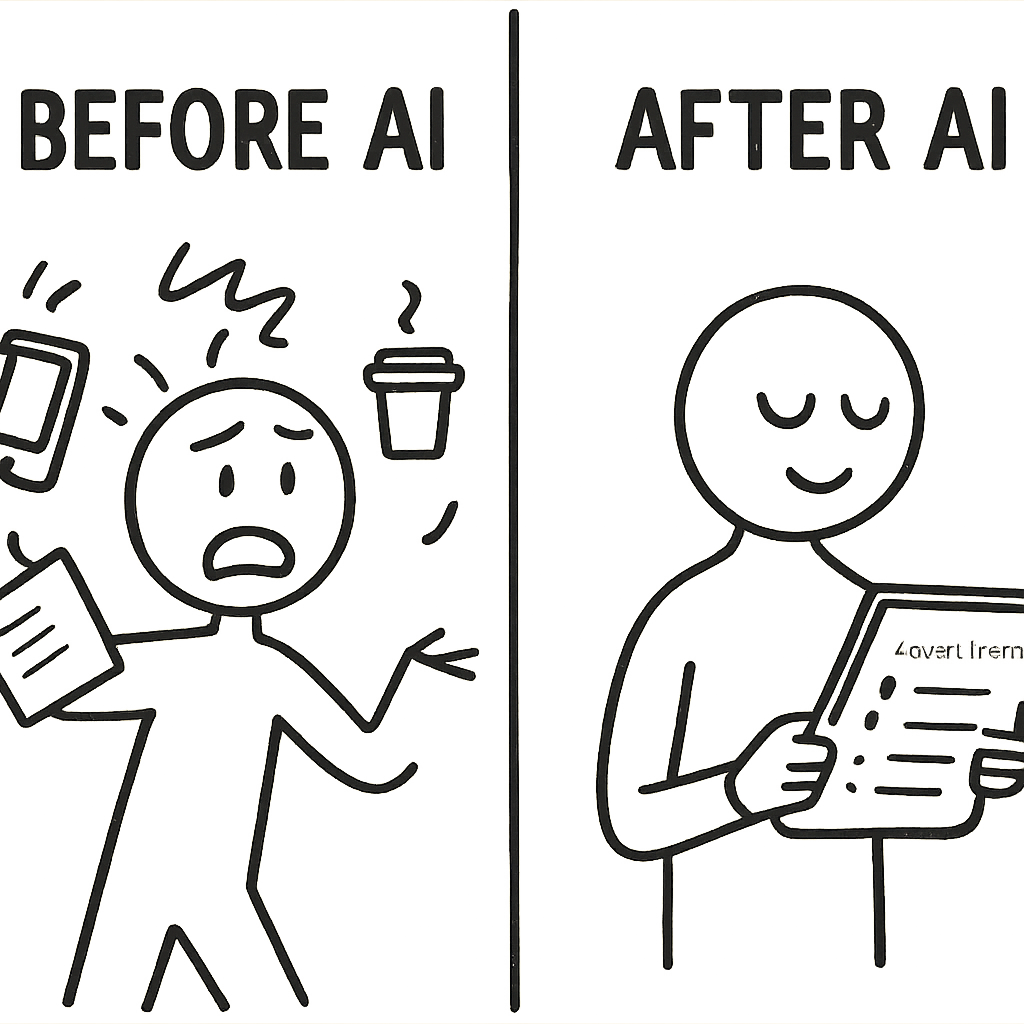
The time savings go far beyond filtering calls. An AI voice agent can connect directly to the realtor’s calendar, see their availability, and book appointments on the spot. For many agents, automating these administrative tasks frees up an estimated 5 to 10 hours every week—time better spent showing homes or negotiating offers.
Perhaps the most powerful feature is how the AI keeps everything organized. Every conversation is automatically transcribed and logged into the agent’s central client database. When the agent sits down at their desk, they have a neat, organized record of every interaction. No lead gets lost, and no important detail is forgotten.
This technology allows real estate agents to escape the trap of endless phone tag. Instead of being reactive receptionists, they can be proactive advisors, focusing on the human side of real estate: building relationships and closing deals.
Chatbot vs. Voice AI: Why Talking Is a Game-Changer for Real Estate
You’ve probably used a chatbot before—that little window that pops up on a website asking, “Can I help you?” While useful, they miss the urgency and human touch critical in real estate. The difference between a real estate chatbot vs voice AI is like the difference between sending a text message and making a phone call; one is a slow exchange, the other is a real-time conversation.
Think about the most common way people find an interesting home: driving through a neighborhood. You see a “For Sale” sign and want information right now. You’re not going to pull over, navigate to a website, and start typing. You’re going to call the number. A voice AI is built for this exact moment.
This immediate, spoken interaction also creates a stronger sense of connection. When you’re speaking, you’re actively engaged. A well-designed conversational AI platform can understand the nuances in your tone and respond in a way that feels surprisingly human and helpful, assuring you that your inquiry is being taken seriously.
For the agent, this distinction is huge. A text chat can lead to a dead end if the person gets distracted, but a voice conversation captures their full attention. This powerful real estate virtual assistant software turns a passing moment of curiosity into a concrete lead, a scheduled appointment, and a neatly organized summary for the agent.
Which AI Voice Agents Are Leading the Pack?
Not all AI assistants are built for the same job. Just like in any profession, there are specialists. Some are designed to handle the first flood of calls for a new listing, while others excel at patiently keeping in touch with potential clients over many months. The market for real estate virtual assistant software is growing, but a few key names lead the conversation by solving specific problems for agents. Structurally: The AI for Long-Term Follow-Up
Imagine you reached out to an agent six months ago but weren’t ready to buy. This is where Structurely shines. Its AI acts like a friendly, patient assistant whose main job is long-term follow-up. It can intelligently check in with potential clients over weeks or months, using natural-sounding text messages and emails to restart conversations.
For example, the AI might send a message like, “Hi Sarah, I know we spoke a while back. Just wanted to see if you were still thinking about making a move this year?” It’s one of the top AI tools for realtor productivity because it handles the slow, time-consuming work of staying in touch, ensuring no potential client is forgotten. Aiva (by Verse): The AI for Instant 24/7 Response
Aiva is built to solve the frustration of calling a hot property and getting voicemail. Think of it as the ultimate front-desk receptionist that never sleeps. Its primary strength is speed and availability. When a new inquiry comes in—from a website, text, or call—Aiva engages instantly, 24/7.
It handles the initial conversation by asking qualifying questions like, “Are you already working with an agent?” or “When are you hoping to move?” This allows the human agent to wake up to a list of fully-vetted, serious buyers ready for a call back, complete with notes from the AI’s conversation. It excels at capturing and qualifying interest the moment it happens.
Here’s a quick summary of the best AI voice agents for real estate:
- Structurally: Best for reviving old conversations and following up over the long term.
- Aiva: Best for instantly answering new inquiries, so no opportunity is missed.
How Does a Realtor Start Using an AI Assistant?
Getting a smart assistant running is often a simple, three-step journey that doesn’t require technical expertise. The goal of these platforms is to save time, not create another complicated project.
First, the agent gives the AI permission to access their existing property listings—the same information you see on websites like Zillow. The AI automatically learns all the crucial details for every home, such as price, bedrooms, and specific features, ensuring it is always armed with correct answers.
Next, the AI connects to the agent’s client database (often called a CRM). When the real estate conversational AI platform talks to a potential buyer, it automatically saves the person’s name, number, and conversation notes right into that database. This saves the agent from copy-pasting information and ensures every detail is captured.
The final step is the simplest: the agent forwards their business phone number to the AI. From that moment on, any call that might have gone to voicemail is instead answered instantly by their new, smart assistant.
Is an AI Voice Agent Expensive?
The cost of AI voice solutions for real estate is more flexible and accessible than you might think. The industry has settled on a couple of common-sense pricing models that make the technology available to everyone, from individual agents to entire teams.
Generally, these services are priced in one of two ways. The first is a subscription model, where an agent pays a flat monthly fee. The other is a usage-based model, where you pay for what you use—such as a small amount for each minute the AI spends on the phone. This makes the AI for realtors cost manageable, especially for those just starting.
To truly understand the cost, it’s helpful to think about the value. For a real estate agent, a single missed call is a potential lost client and a lost commission worth thousands of dollars. If an AI voice agent captures a serious buyer who would have otherwise hung up, the service has likely paid for itself for the entire year. It’s less of an expense and more of an investment in never missing an opportunity.
Will a Robot Replace My Real Estate Agent?
When you encounter that perfect, immediate response from an agent’s line, you now understand what’s happening behind the scenes. You’ve seen that AI voice agents aren’t mysterious robots but practical tools designed to make that first point of contact seamless, ensuring your important questions never get lost in a full voicemail box again.
This new efficiency doesn’t mean the human agent is becoming obsolete. On the contrary, it makes them more essential. The AI is a highly efficient front desk, handling repetitive questions so the human expert is freed from busywork. The technology handles the data, so the person can handle the relationship.
The true benefits of using AI in real estate communication are felt when your agent is more prepared, available, and focused on your journey. With administrative tasks automated, they can dedicate their energy to what truly matters: understanding your family’s needs, navigating negotiations, and providing calm, expert counsel during one of life’s biggest decisions.
The future of real estate isn’t about replacing the irreplaceable human touch. It’s about channelling it more effectively, using smart technology to handle the noise so your agent can be more present, more insightful, and more helpful when you need them most.